Symbolism
Gravestone symbols found in Irish cemeteries — each with photographs and explanations
In Irish cemeteries, the language of stone speaks through symbols carved into grave markers over centuries. A simple cross may denote faith, but its variations carry deeper meaning—a Celtic cross with its encircling ring suggests eternity, while an IHS monogram points to the name of Christ. Hands clasped in a handshake represent farewell or a meeting in the afterlife, while a pointing finger directs the soul upward toward heaven. These symbols were not merely decorative; they served as visual sermons for a largely illiterate population, communicating beliefs about death, resurrection, and the hope of reunion beyond the grave.
Flowers and botanical motifs appear frequently on Irish headstones, each bloom carrying its own symbolic weight. The lily represents purity and resurrection, often found on the graves of young women and children. The rose, in its various stages—bud, half-open, or full bloom—charts a life cut short, a life lived, or a soul fully opened to God. Ivy, clinging tenaciously to stone, symbolises fidelity and eternal remembrance. The poppy, though less common, speaks of sleep and consolation. These natural images soften the hard granite and limestone, connecting the permanence of death to the cycles of growth and renewal found in the Irish landscape.
Animals and mythical creatures populate the funerary art of Ireland's historic graveyards, each chosen for precise symbolic reasons. The lamb, gentle and innocent, marks the grave of a child. The lion, bold and vigilant, guards the tombs of the brave and the noble. The dove, carrying an olive branch, announces peace and the arrival of the soul in paradise. The skull and crossed bones, far from being morbid, serve as a memento mori—a reminder that death comes to all and that earthly life is fleeting. These images, carved with care by local stonemasons, reflect a culture that looked directly at death without flinching, finding meaning in its presence.
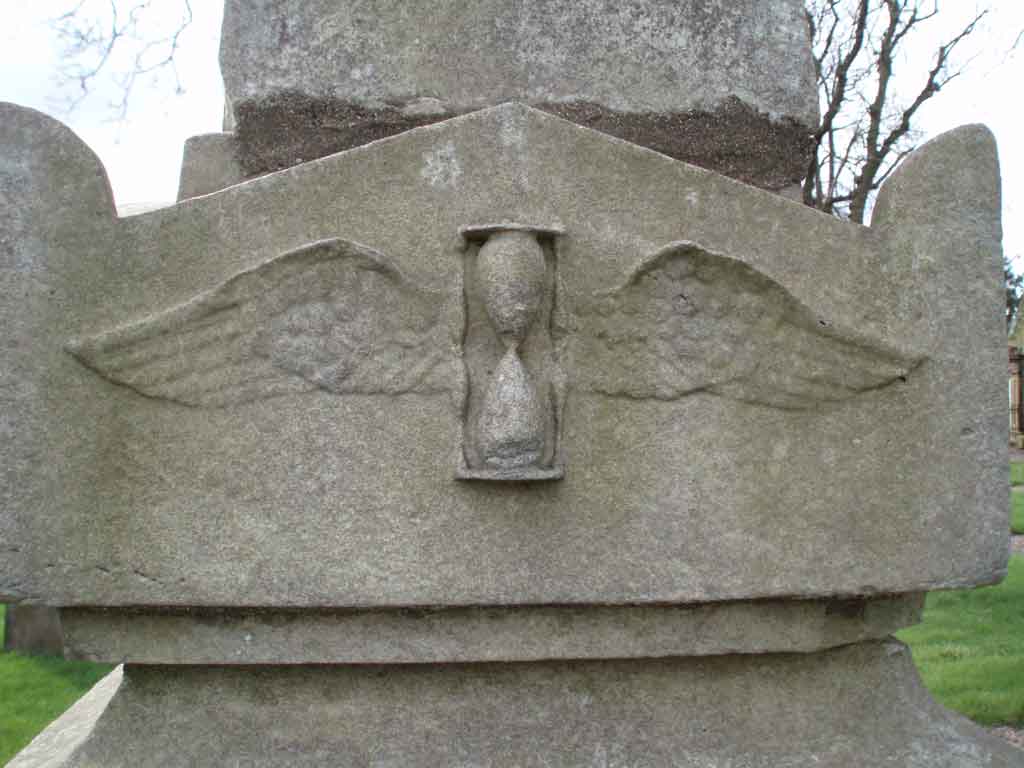
The anchor, appearing on Irish gravestones near coastal communities and inland alike, symbolises hope and steadfast faith in the face of mortality. This Christian symbol, drawn from early church imagery, reassures the bereaved that the soul is safely moored beyond the storms of this life. Hourglasses with wings remind the viewer that time flies and that life's sands run out without warning. Books—open Bibles or closed volumes—speak to a life of learning, faith, or the record of deeds that follow a soul into judgement. Each symbol in an Irish cemetery is a key, unlocking the beliefs, fears, and hopes of generations who shaped the island's relationship with death.
Gravestone Symbolism in Ireland
There are many symbols used on gravestones throughout Ireland. The list below includes only those found in Irish cemeteries. Each symbol is illustrated by at least one photograph, all taken in Irish cemeteries. Click on a symbol name for the accompanying photographs.
Alpha / Omega
The first and last letters of the Greek alphabet, representing the beginning and the end of all things.

Anchor
A Christian symbol not usually associated with the sea, though several examples exist where the deceased were seamen. The anchor was often used as a symbol of hope and steadfastness.
Angels
Angels appear frequently on Irish gravestones, depicted in various poses — praying, pointing heavenward, or mourning. They represent guidance, protection, and the soul's ascent.
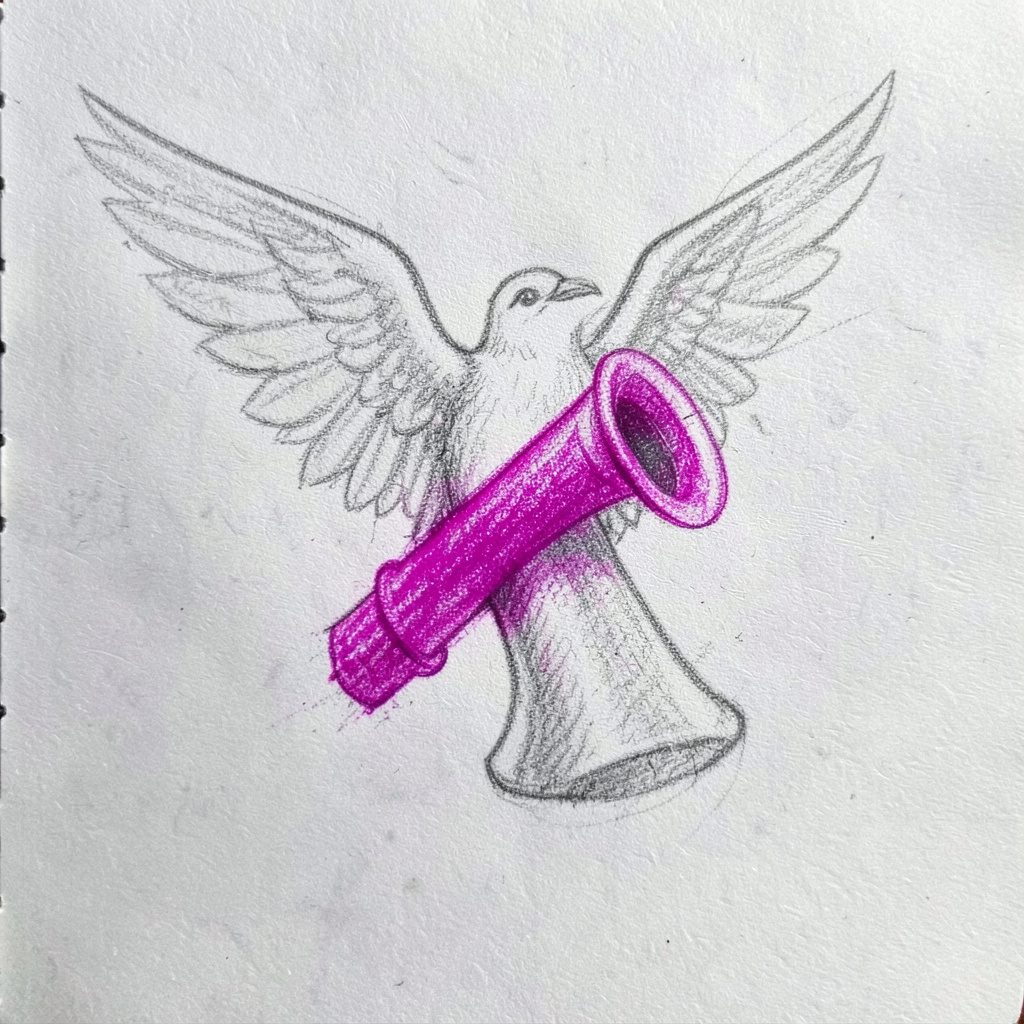
Angel with Trumpet
Represents the call to resurrection on the Day of Judgment. A powerful symbol of Christian hope in life after death.
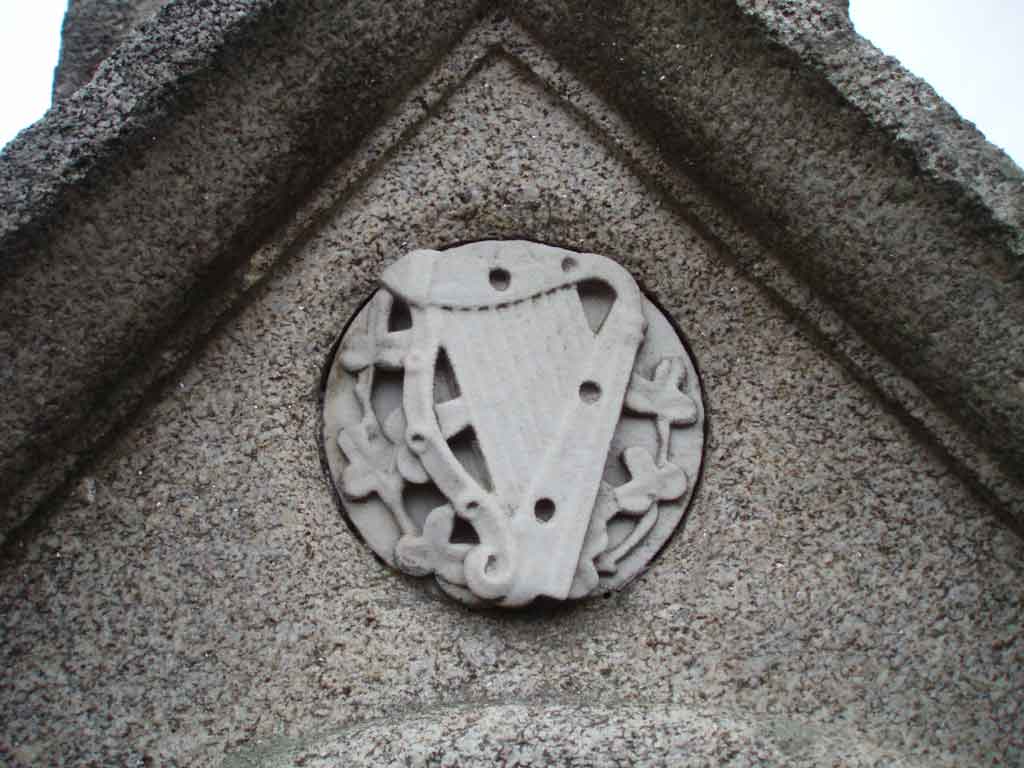
Harp
A symbol of Irish national identity and often associated with musicians or those who held Irish culture dear. Also represents the harmony of heaven.

Bird in Flight
Symbolises the soul departing the body and ascending to heaven. Often carved within wreaths or circular motifs on headstones.
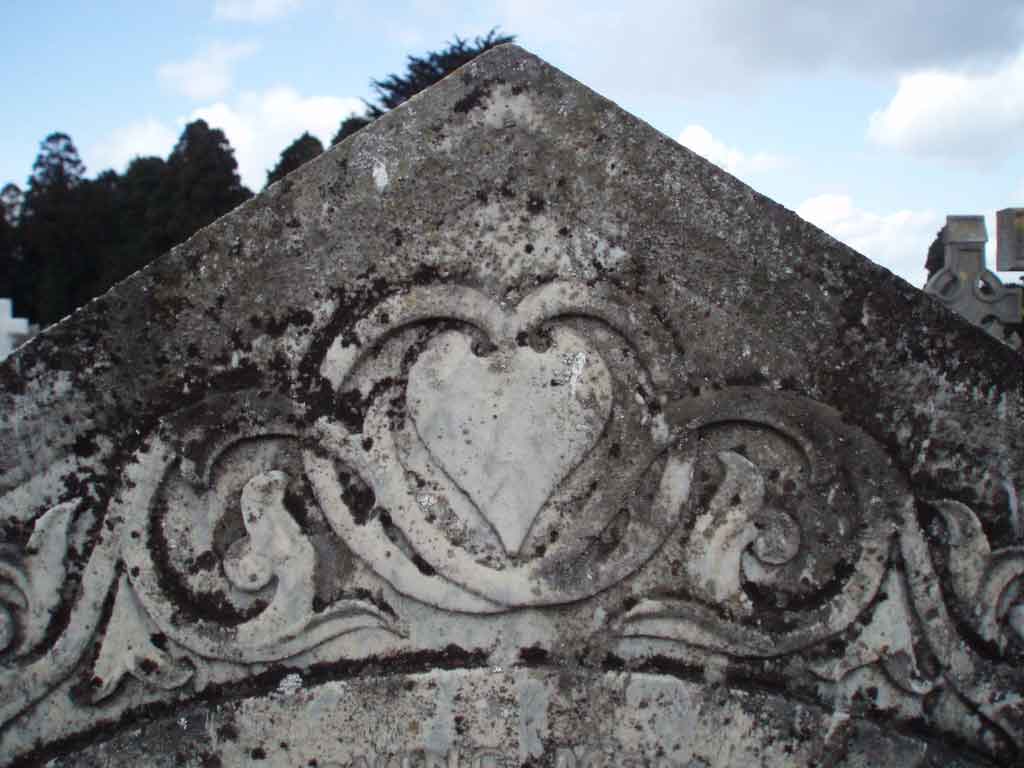
Heart
A symbol of love, devotion, and the Sacred Heart of Jesus. Commonly found on 19th-century Irish gravestones, often combined with other Christian motifs.

Scrollwork & Floral Relief
Decorative carving that often frames inscriptions or other symbols. Floral motifs can represent the brevity of life, beauty, and resurrection.
Further Reading
Many of these symbols also appear in the Sculpture section, which examines funerary art and architecture in greater depth. The finest collections of carved symbolism can be found in Glasnevin Cemetery and Mount Jerome Cemetery in Dublin.
For more photographs of historic graves featuring these symbols, visit the companion site at irishgraves.com, which includes images of the graves of over 1,200 historic Irish figures.