Sculpture
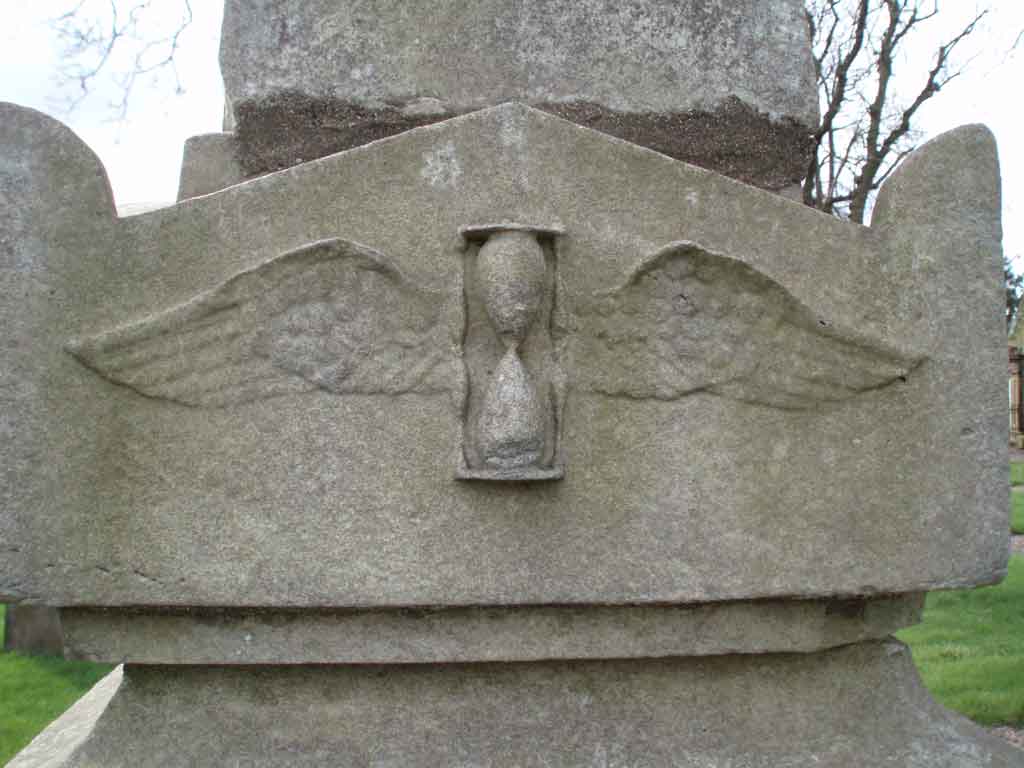
The finest collection of funerary art and architecture anywhere in Ireland is to be found in Glasnevin Cemetery and Mount Jerome cemetery, Dublin. Many fine mausolea can be found all around the country. This section examines the various types of sculpture to be found on gravestones within Ireland.
Glasnevin Cemetery
Glasnevin Cemetery in Dublin holds one of the most extensive collections of funerary sculpture in Ireland. Its monuments span the nineteenth and twentieth centuries, showcasing the work of skilled stone carvers whose craftsmanship reflects both religious devotion and secular commemoration. Elaborate Celtic crosses, weeping angels, and finely detailed relief panels are among the many forms represented across its grounds.
Mount Jerome Cemetery
Mount Jerome, also in Dublin, rivals Glasnevin in the richness of its sculptural heritage. Established in the Victorian era, the cemetery contains a remarkable array of mausolea, obelisks, and figurative carvings. The stonework here often exhibits Gothic Revival influences, with pointed arches, crocketed pinnacles, and intricate tracery adorning many family vaults and headstones.
Types of Gravestone Sculpture
Irish gravestones feature a wide variety of sculptural forms, including:
- Celtic Crosses: Distinctive ringed crosses, often richly ornamented with interlace patterns and biblical scenes.
- Angels and Cherubs: Figures representing resurrection, guidance, or the soul's ascent to heaven.
- Weeping Figures: Female mourners draped in classical robes, symbolising grief and remembrance.
- Portrait Reliefs: Carved likenesses of the deceased, ranging from simple profiles to detailed busts.
- Architectural Elements: Columns, pediments, urns, and broken pillars denoting a life cut short.
Mausolea Across Ireland
Beyond Dublin, fine mausolea can be found in cemeteries and churchyards throughout the country. These small stone buildings, often designed in Classical or Gothic styles, served as family burial chambers for the more affluent. Their carved doorways, inscribed pediments, and wrought-iron detailing make them some of the most architecturally significant structures in Irish burial grounds.

Other examples of carving can be found in the Symbolism section of this site and in the page on Kilbroney. Explore also our Cemeteries section for photographs and information on individual burial grounds.